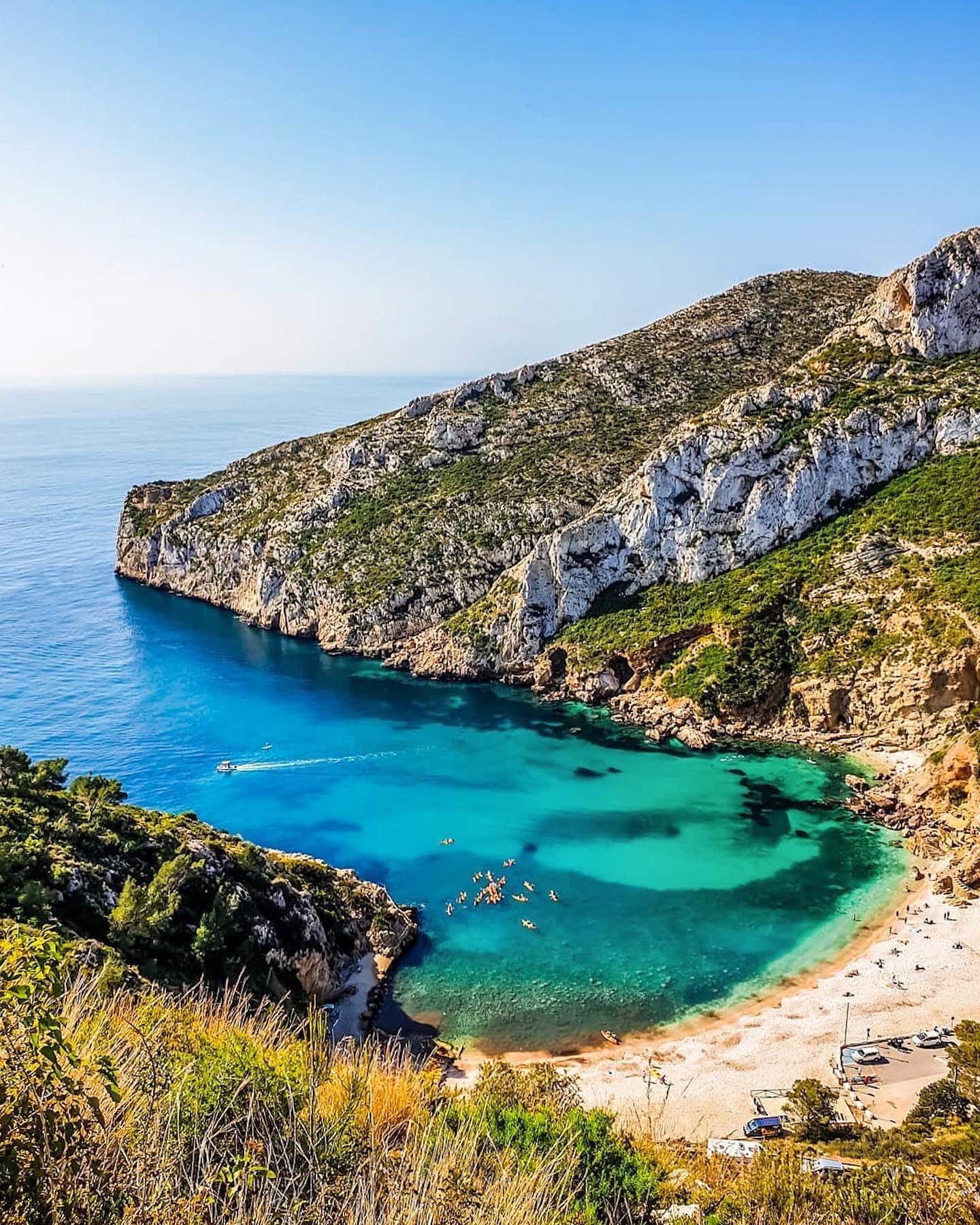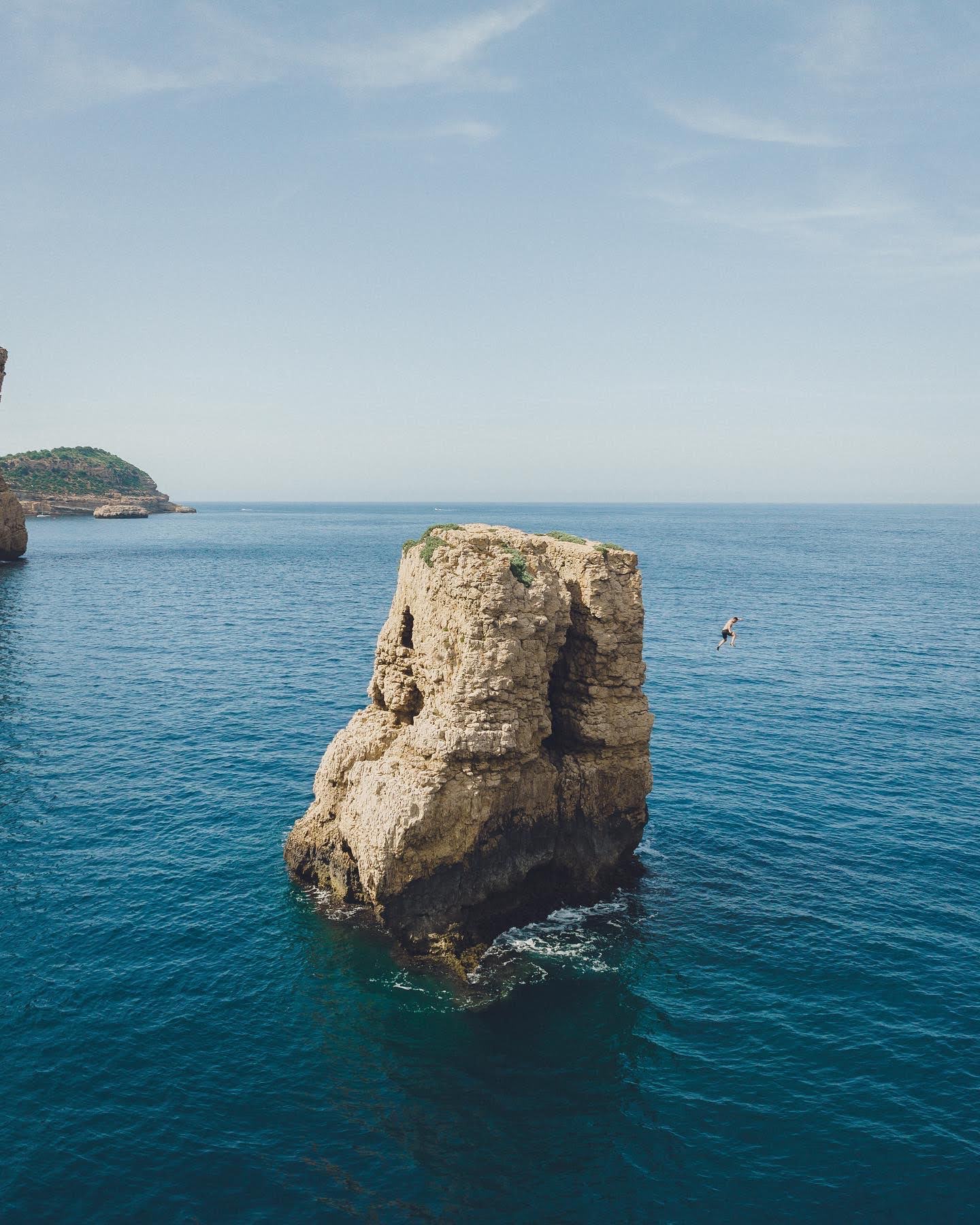
Jávea's history is best understood through three landscapes: Montgó, a refuge and landmark since ancient times; the old town, built inland in tosca stone and protected by San Bartolomé; and the harbour, shaped by fishing and trade. The raisin economy flourished in the 19th century, before tourism transformed the coast in the 20th.
This introduction draws on Jávea's visible heritage and its broad historical narrative. For deeper research, consult the Soler Blasco Archaeological and Ethnographic Museum and municipal sources.
Montgó and the earliest inhabitants
Jávea's position between Montgó and a sheltered bay has attracted settlement since ancient times. Caves, archaeological remains and finds kept in the municipal museum reveal a long occupation of the area.
Montgó is more than a backdrop: it provided shelter, water, farmland and a landmark for people arriving by sea.
An old town sheltered from the sea
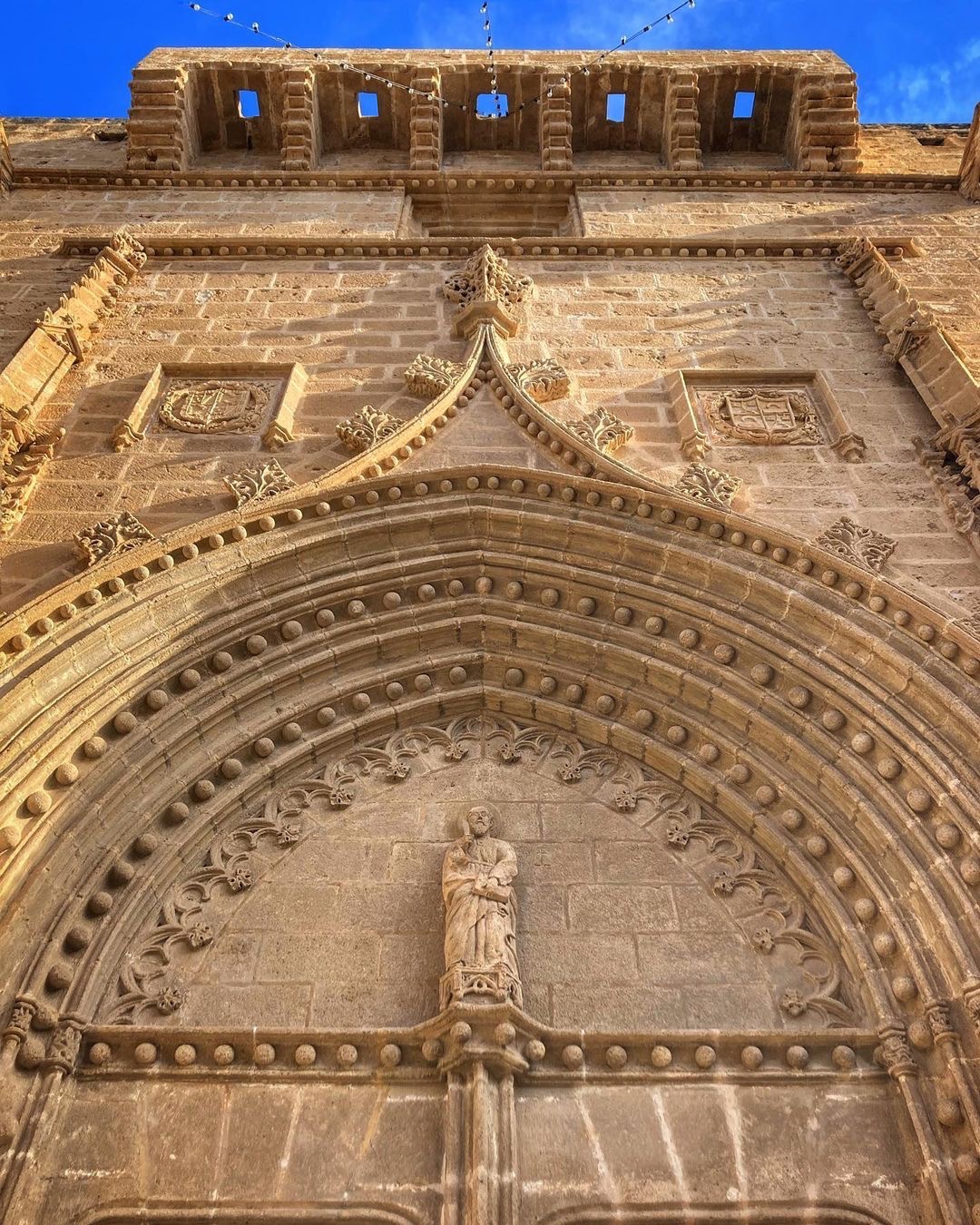
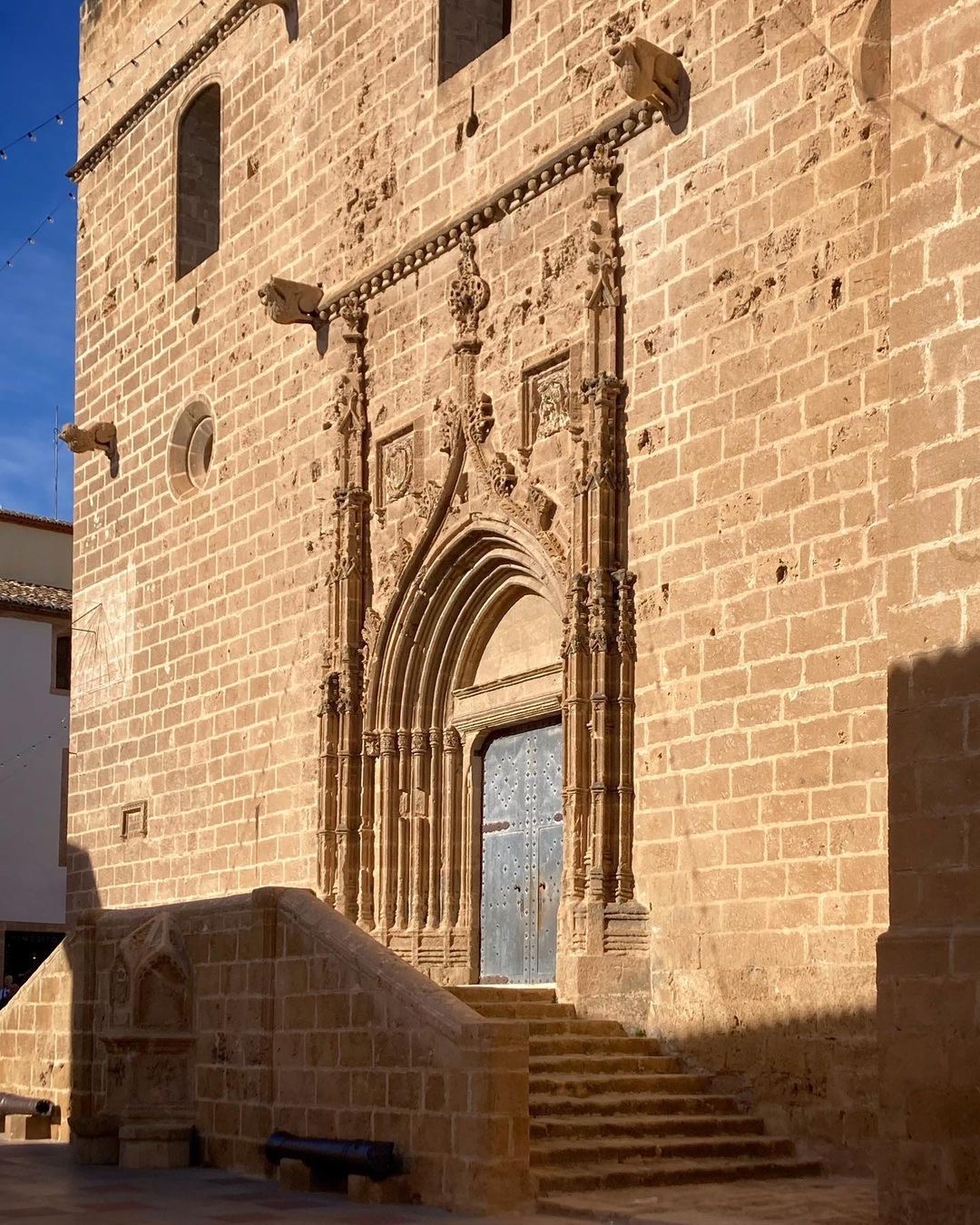
The historic centre grew back from the coast to reduce exposure to raids. Its narrow streets and tosca-stone façades lead to the church of San Bartolomé, built as both a place of worship and a fortress.
The Gothic doorway, heavy walls and defensive features make visible an age when the population needed its church to double as a refuge.
- Tosca stone historically quarried from the coast
- The fortress church of San Bartolomé as the urban centre
- Compact streets shaped for shade and defence
Raisins and 19th-century prosperity
During the 19th century, Muscat grape growing and raisin production connected Jávea with overseas markets. Riuraus, arcaded buildings used to shelter grapes while they dried, remain one of the clearest traces of that agricultural economy.
The trade left houses, warehouses and a cultivated landscape that can still be read across Jávea and the wider Marina Alta.
The harbour, fishing and the Loreto church
The harbour district preserves Jávea's everyday relationship with the Mediterranean. Its fishing fleet, auction house and moored boats recall that the sea meant work and food long before it became a tourist setting.
The church of Nuestra Señora de Loreto belongs to a more recent period. Its concrete structure and great arches evoke a ship's keel, joining modern architecture to the district's maritime identity.
Sorolla and the modern transformation
Joaquín Sorolla visited Jávea and found subjects for his paintings in its light, rocks and sea. The statue on the promenade recalls that artistic relationship with the local landscape.
During the 20th century, tourism extended the town towards the Arenal and coastal developments. Even so, the old town, harbour and Montgó still reveal its earlier layers of history.